Understanding the Difference Between ICD-10, CPT, and HCPCS Medical Codes
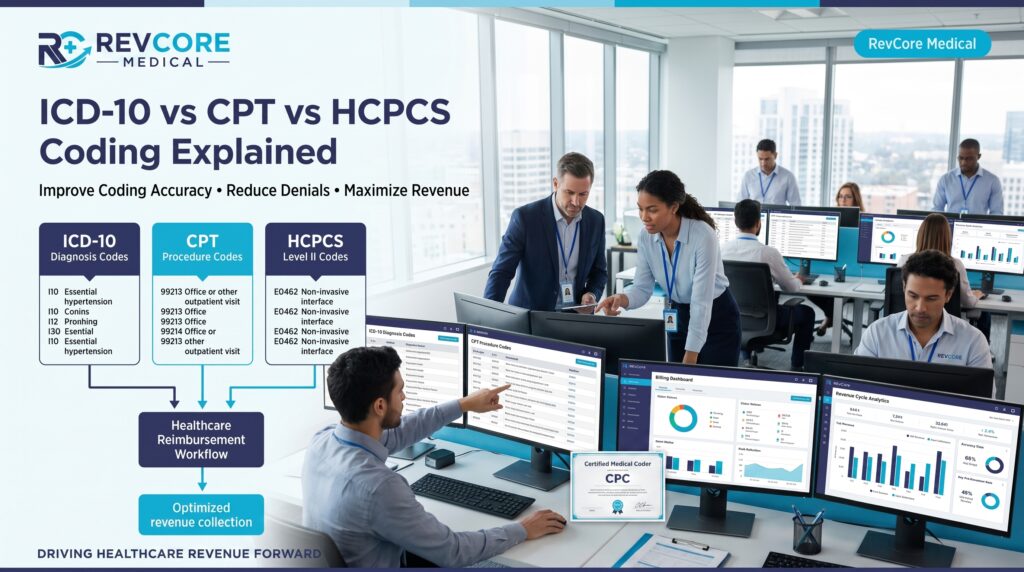
Accurate medical coding is the foundation of successful healthcare reimbursement. Every healthcare provider depends on standardized coding systems to document diagnoses, report medical procedures, and submit insurance claims correctly. Understanding ICD-10 vs CPT vs HCPCS Coding is essential for improving billing accuracy, reducing claim denials, maintaining compliance, and maximizing revenue.
At RevCore Medical, we provide comprehensive Medical Coding services that help healthcare providers across the United States optimize their Revenue Cycle Management. Our certified coding professionals ensure accurate code assignment while supporting Medical Billing, Provider Credentialing, Prior Authorization, Eligibility Verification, AR Management, Medical Billing Audits, and No Cost Billing Analysis.
This guide explains ICD-10 vs CPT vs HCPCS Coding, the purpose of each coding system, their key differences, and why proper coding is critical for healthcare organizations.
What is Medical Coding?
Medical coding is the process of converting healthcare diagnoses, procedures, treatments, supplies, and services into standardized alphanumeric codes recognized by insurance companies and government healthcare programs.
Medical coding supports:
- Insurance claim submission
- Healthcare reimbursement
- Revenue Cycle Management
- Clinical documentation
- Regulatory compliance
- Healthcare reporting
- Medical research
- Patient record accuracy
Understanding ICD-10 vs CPT vs HCPCS Coding allows healthcare providers to submit accurate claims and receive timely reimbursement.
Why Medical Coding Matters
Proper coding directly affects a healthcare organization’s financial performance.
Accurate coding helps:
- Reduce claim denials
- Improve reimbursement accuracy
- Accelerate payment processing
- Support insurance compliance
- Minimize billing errors
- Improve documentation quality
- Enhance Revenue Cycle Management
- Reduce audit risks
Incorrect coding often leads to delayed payments, denied claims, compliance issues, and lost revenue.
What is ICD-10?
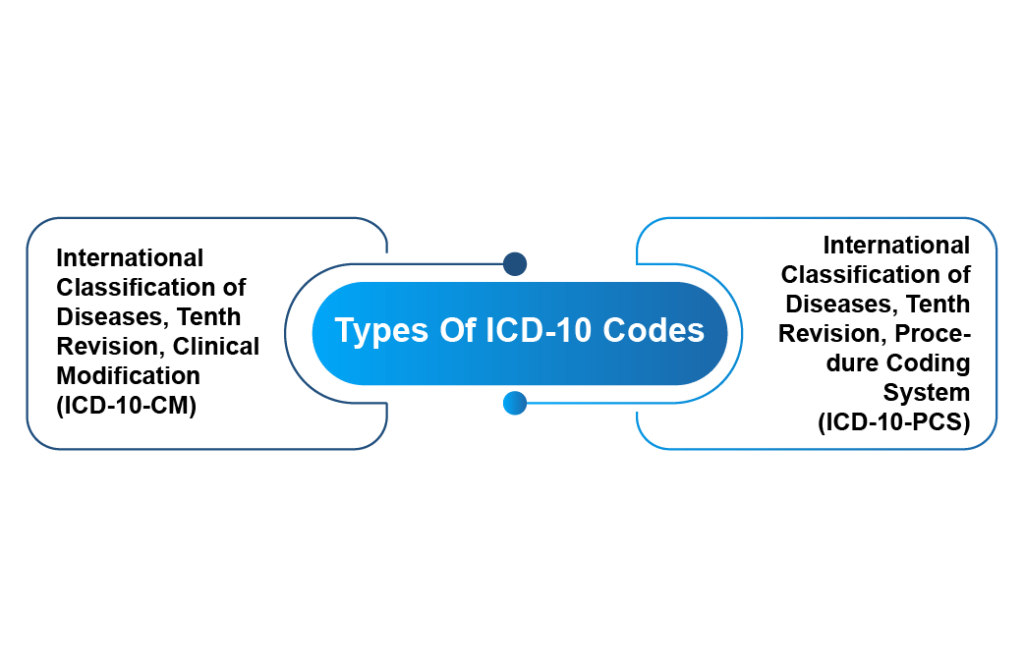
ICD-10 (International Classification of Diseases, Tenth Revision) is the coding system used to classify diseases, medical conditions, injuries, symptoms, and diagnoses.
Healthcare providers use ICD-10 diagnosis codes to explain why a patient received medical care.
ICD-10 coding includes:
- Diseases
- Chronic illnesses
- Acute conditions
- Injuries
- Symptoms
- External causes
- Medical diagnoses
Examples of ICD-10 categories include:
- Diabetes
- Hypertension
- COVID-19
- Asthma
- Heart Disease
- Fractures
- Infections
ICD-10 diagnosis codes support medical necessity and justify medical procedures submitted to insurance companies.
Benefits of ICD-10 Coding
Accurate ICD-10 coding provides numerous advantages.
Benefits include:
- Better diagnosis documentation
- Faster insurance approvals
- Improved reimbursement
- Reduced coding errors
- Enhanced healthcare reporting
- Improved patient record accuracy
- Stronger clinical documentation
Professional Medical Coding specialists ensure ICD-10 vs CPT vs HCPCS Coding accurately reflect each patient’s diagnosis.
What is CPT Coding?
CPT (Current Procedural Terminology) is the coding system used to describe medical procedures and professional healthcare services performed by physicians and other qualified healthcare providers.
Unlike ICD-10 vs CPT vs HCPCS Coding explain what service or procedure was performed.
Common CPT coding categories include:
- Office visits
- Surgical procedures
- Radiology
- Laboratory testing
- Pathology
- Preventive medicine
- Evaluation and Management (E/M)
- Telehealth services
CPT codes are maintained and updated annually to reflect changes in healthcare services and procedures.
Benefits of CPT Coding
Accurate CPT coding helps healthcare organizations:
- Receive proper reimbursement
- Reduce claim rejections
- Improve coding consistency
- Strengthen billing accuracy
- Support payer compliance
- Improve Revenue Cycle Management
Proper CPT coding ensures providers receive payment for services performed.
What is HCPCS Coding?
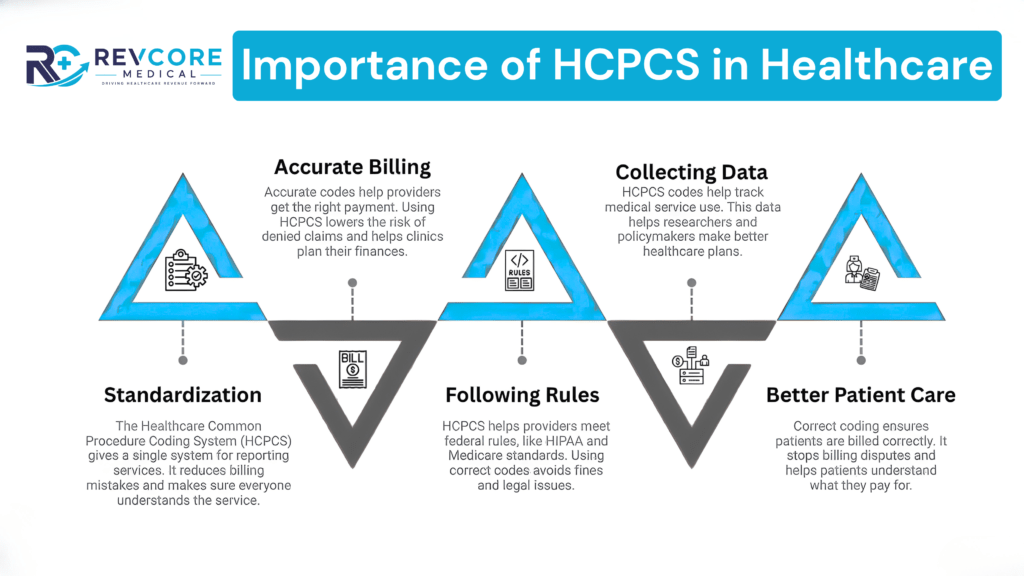
HCPCS (Healthcare Common Procedure Coding System) expands upon CPT coding by covering products, supplies, equipment, medications, and services that are not fully described by CPT codes.
HCPCS coding is commonly used for:
- Medicare billing
- Medicaid billing
- Durable Medical Equipment (DME)
- Ambulance services
- Prosthetics
- Orthotics
- Medical supplies
- Injectable medications
HCPCS codes ensure standardized reporting for services and products commonly reimbursed by government healthcare programs.
Benefits of HCPCS Coding
Professional HCPCS coding offers several advantages:
- Accurate Medicare billing
- Improved Medicaid reimbursement
- Standardized supply reporting
- Better insurance claim accuracy
- Reduced payment delays
- Stronger billing compliance
Healthcare providers serving Medicare and Medicaid patients rely heavily on accurate HCPCS coding.
ICD-10 vs CPT vs HCPCS Coding Explained: Key Differences
Although these coding systems work together, each serves a unique purpose.
| Coding System | Primary Purpose |
|---|---|
| ICD-10 | Identifies diagnoses, diseases, injuries, and medical conditions |
| CPT | Reports physician procedures and professional medical services |
| HCPCS | Reports medical supplies, equipment, medications, ambulance services, and additional healthcare services |
Together, these coding systems create a complete picture of patient care while supporting accurate insurance reimbursement.
How Accurate Coding Improves Revenue Cycle Management
Understanding ICD-10 vs CPT vs HCPCS Coding helps healthcare providers improve every stage of Revenue Cycle Management.
Accurate coding contributes to:
- Higher clean claim rates
- Faster reimbursements
- Reduced claim denials
- Better documentation
- Improved compliance
- Increased financial performance
- Stronger audit readiness
- Better payer communication
Professional coding specialists ensure that diagnosis codes, procedure codes, and supply codes work together to create accurate insurance claims.
RevCore Medical Medical Coding Services
RevCore Medical provides comprehensive Medical Coding solutions designed to improve reimbursement accuracy and strengthen Revenue Cycle Management.
Our coding services include:
- Certified ICD-10 Coding
- CPT Coding
- HCPCS Coding
- Coding Audits
- Documentation Review
- Compliance Monitoring
- Coding Accuracy Improvement
- Specialty-Specific Coding
- Denial Prevention
- Coding Education Support
Our experienced coding professionals work closely with healthcare providers to ensure every claim is coded accurately before submission.
Why Healthcare Providers Trust RevCore Medical
Healthcare providers across the United States choose RevCore Medical because we combine certified coding expertise with complete Revenue Cycle Management services.
Our solutions include:
- Medical Billing
- Medical Coding
- Revenue Cycle Management
- Provider Credentialing
- Eligibility Verification
- Prior Authorization
- AR Management
- Medical Billing Audit
- No Cost Billing Analysis
We help practices improve reimbursement, reduce denials, and optimize financial performance through accurate coding and billing processesCommon Medical Coding Mistakes to Avoid
Even minor coding errors can delay reimbursements and increase claim denials. Understanding ICD-10 vs CPT vs HCPCS Coding also means recognizing common mistakes that affect healthcare revenue.
Healthcare providers should avoid:
- Selecting incorrect diagnosis codes
- Using outdated ICD-10 vs CPT vs HCPCS Coding
- Missing or incorrect CPT modifiers
- Incomplete clinical documentation
- Incorrect linkage between diagnosis and procedure codes
- Duplicate coding
- Unbundling services improperly
- Failing to document medical necessity
- Billing non-covered services incorrectly
- Missing payer-specific coding guidelines
Preventing these errors improves reimbursement accuracy and strengthens Revenue Cycle Management.
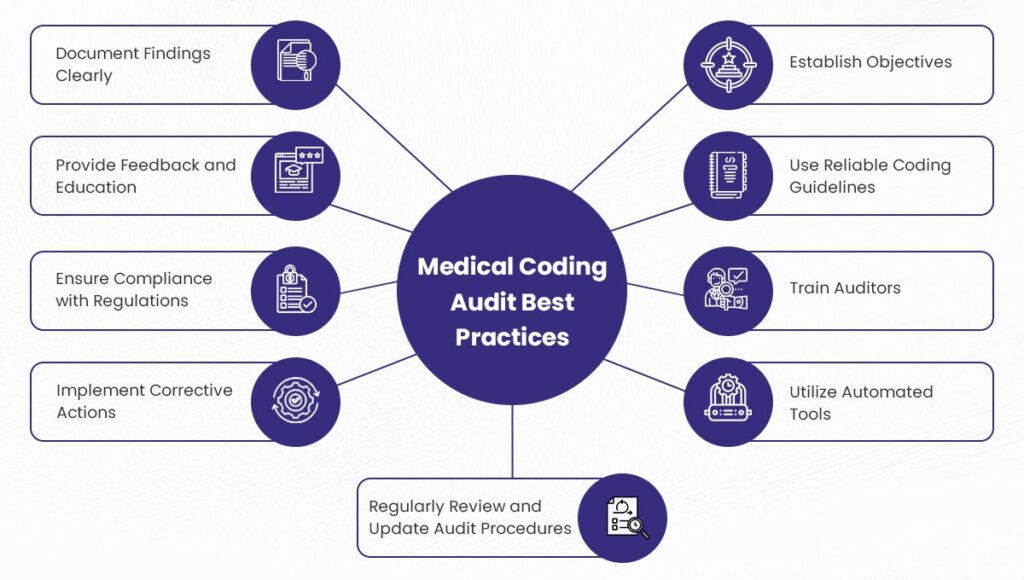
Best Practices for Accurate Medical Coding
Maintaining coding accuracy requires continuous monitoring and adherence to industry standards.
Recommended best practices include:
- Use the latest ICD-10 vs CPT vs HCPCS Coding updates.
- Ensure complete and accurate physician documentation.
- Verify medical necessity before claim submission.
- Conduct regular coding audits.
- Train coding professionals on annual coding changes.
- Review payer-specific billing requirements.
- Utilize coding validation software.
- Monitor denial trends and correct recurring issues.
- Collaborate closely with billing and clinical teams.
- Perform internal quality assurance reviews.
Following these practices helps healthcare providers maximize reimbursements and minimize claim rejections.
Technology Improves Medical Coding Accuracy
Modern healthcare technology enhances coding efficiency and reduces manual errors.
RevCore Medical uses advanced tools such as:
- Electronic Health Record (EHR) integration
- Computer-Assisted Coding (CAC)
- Automated Coding Validation
- Claims Scrubbing Software
- Revenue Cycle Analytics
- Electronic Claim Submission
- Denial Management Systems
- Reporting Dashboards
Technology-driven coding improves workflow efficiency while supporting faster insurance reimbursement.
Why Professional Medical Coding Matters
Accurate coding directly impacts financial performance and operational efficiency.
Professional Medical Coding helps providers:
- Increase clean claim rates
- Reduce insurance denials
- Improve reimbursement accuracy
- Accelerate payment turnaround
- Maintain payer compliance
- Reduce audit risks
- Improve documentation quality
- Strengthen Revenue Cycle Management
Certified coding professionals ensure every diagnosis, procedure, and medical supply is coded correctly before claims are submitted.
Additional Services Offered by RevCore Medical
RevCore Medical provides complete Revenue Cycle Management solutions that extend beyond Medical Coding.
Our comprehensive services include:
Revenue Cycle Management
Complete financial workflow management from patient registration through final reimbursement.
Medical Billing
Accurate claim preparation, submission, payment posting, and reimbursement management.
Provider Credentialing
Insurance enrollment, CAQH maintenance, payer contracting, and recredentialing support.
Prior Authorization
Fast insurance approvals to reduce treatment delays and claim denials.
Eligibility Verification
Real-time insurance verification to improve billing accuracy and prevent rejected claims.
AR Management
Comprehensive Accounts Receivable follow-up, collections, denial recovery, and payment reconciliation.
Medical Billing Audit
Detailed billing reviews that identify compliance issues and revenue leakage.
No Cost Billing Analysis
A complimentary evaluation of billing performance with actionable recommendations for improvement.
Healthcare Specialties We Serve
RevCore Medical proudly supports healthcare providers across numerous specialties, including:
- Family Medicine
- Internal Medicine
- Cardiology
- Orthopedics
- Neurology
- Dermatology
- Gastroenterology
- Psychiatry
- Behavioral Health
- Radiology
- Pain Management
- Urgent Care
- Physical Therapy
- Chiropractic Care
- Home Health
- Occupational Therapy
- Multi-Specialty Clinics
- Dental Practices
Each specialty has unique coding requirements, and our certified coders ensure compliance with specialty-specific billing guidelines.
Major Service Areas Across the United States
RevCore Medical proudly provides Medical Coding and Revenue Cycle Management services throughout the United States, including New York City, Los Angeles, Chicago, Houston, Dallas, Phoenix, Philadelphia, San Antonio, San Diego, San Jose, Austin, Jacksonville, Fort Worth, Columbus, Charlotte, Indianapolis, Seattle, Denver, Boston, Nashville, Atlanta, Miami, Orlando, Tampa, Las Vegas, Sacramento, Minneapolis, Kansas City, Washington, D.C., Baltimore, Portland, Salt Lake City, Raleigh, Cleveland, Detroit, Cincinnati, St. Louis, Pittsburgh, and surrounding metropolitan communities. We also partner with healthcare organizations in suburban and rural areas nationwide.
Frequently Asked Questions
What is the difference between ICD-10 vs CPT vs HCPCS Coding?
ICD-10 identifies diagnoses, CPT reports medical procedures and physician services, while HCPCS covers medical supplies, equipment, medications, and additional healthcare services.
Why are ICD-10 vs CPT vs HCPCS Coding important in medical billing?
These coding systems ensure accurate claim submission, proper reimbursement, regulatory compliance, and efficient communication between healthcare providers and insurance companies.
What are CPT codes used for?
CPT codes report physician services, office visits, surgeries, diagnostic testing, and other medical procedures.
When are HCPCS codes required?
HCPCS codes are commonly used for Medicare, Medicaid, durable medical equipment, ambulance services, prosthetics, and medical supplies.
Can incorrect coding cause claim denials?
Yes. Coding errors are one of the leading causes of denied or delayed insurance claims.
How often are medical codes updated?
ICD-10 vs CPT vs HCPCS Coding systems are updated regularly, with CPT typically updated annually.
Can a medical claim include ICD-10 vs CPT vs HCPCS Coding together?
Yes. A single insurance claim often includes ICD-10 codes for diagnoses, CPT codes for procedures, and HCPCS codes for supplies or equipment to provide a complete record of patient care.
How do coding errors affect insurance reimbursement?
Incorrect ICD-10 vs CPT vs HCPCS Coding can lead to claim denials, delayed payments, reduced reimbursements, compliance issues, and increased administrative costs.
How often are ICD-10 vs CPT vs HCPCS Coding updated?
ICD-10 vs CPT vs HCPCS Coding systems are updated regularly. Healthcare providers and medical coders should review annual updates to maintain coding accuracy and compliance.
How can RevCore Medical help with ICD-10 vs CPT vs HCPCS Coding?
RevCore Medical provides certified Medical Coding services, Medical Billing, Revenue Cycle Management, Provider Credentialing, Prior Authorization, Eligibility Verification, AR Management, Medical Billing Audits, and No Cost Billing Analysis to help healthcare providers improve coding accuracy, reduce denials, and maximize reimbursements.
How can I get started with RevCore Medical?
Contact RevCore Medical today for a free consultation and a No Cost Billing Analysis.
Partner with RevCore Medical for Accurate Medical Coding
Accurate coding is essential for maintaining a healthy revenue cycle and ensuring timely reimbursement. Whether your practice requires ICD-10 vs CPT vs HCPCS Coding, Medical Billing, Provider Credentialing, Prior Authorization, Eligibility Verification, or AR Management, RevCore Medical delivers customized solutions that improve financial performance and operational efficiency.
Request Your FREE No Cost Billing Analysis Today!
✔ Improve Coding Accuracy
✔ Reduce Claim Denials
✔ Maximize Insurance Reimbursements
✔ Strengthen Revenue Cycle Performance
✔ Increase Practice Profitability
RevCore Medical – Your Trusted Medical Coding and Revenue Cycle Management Partner Across the United States.